

In partnership with Arlow Plumbing & Heating
Somerset Heat Pump Guide
£7500 government grant Now available!
Somerset Heat Pump & Solar installer
Air Source Heat Pumps
What are the maintenance requirements and costs for an ASHP?
Somerset Heat Pump & Solar
Understanding Heat Pumps - Somerset's Video Explainer Vault
Somerset Heat Pump & Solar
Gas Boilers vs Heat Pumps
When it comes to heating your home, you have a couple of main options: gas boilers and air source heat pumps. Both have their pros and cons, so let’s take a friendly look at what each one offers to help you make an informed choice.
Quick to Heat: Gas boilers heat your home quickly, so you’re not waiting around for warmth.
Familiar Technology: Many homes are already set up for gas boilers, making installation relatively straightforward.
Lower Upfront Costs: Generally, gas boilers are less expensive to install than air source heat pumps.
Carbon Footprint: Burning gas releases carbon dioxide, contributing to climate change.
Running Costs: While gas prices can vary, they might be more volatile and could increase over time.
Maintenance: Gas boilers require regular maintenance to ensure they are running safely and efficiently.
What They Are: Air source heat pumps are a newer technology that extracts heat from the outside air (even when it’s cold) and transfers it inside to heat your home. They can also provide cooling in the summer.
Eco-Friendly: Heat pumps use renewable energy from the air, reducing your carbon footprint.
Efficiency: They can be more energy-efficient than gas boilers because they move heat rather than generate it.
Lower Running Costs: Although the initial investment is higher, they can be cheaper to run due to their efficiency.
Versatility: Many heat pumps can also provide cooling during hot weather.
Higher Upfront Costs: The initial installation cost is generally higher than that of a gas boiler.
Temperature Limits: They work best in well-insulated homes and might need a backup heating source in very cold weather.
Installation Complexity: The installation process can be more involved, especially if your home isn’t already set up for heat pumps.
When deciding between a gas boiler and an air source heat pump, consider the following:
- Energy Efficiency: If you’re looking to lower your energy bills and reduce your carbon footprint, an air source heat pump could be the better choice.
- Budget: If upfront cost is a major concern, a gas boiler might be more affordable initially, but think about long-term running costs and potential increases in energy prices.
- Home Insulation: Heat pumps perform best in well-insulated homes. If your home needs more insulation, that might be an important consideration.
Ultimately, both options have their benefits, and the best choice depends on your specific needs, budget, and environmental goals. If you need more tailored advice, feel free to get in touch with us!
Benefits of a Air Source Heat Pump
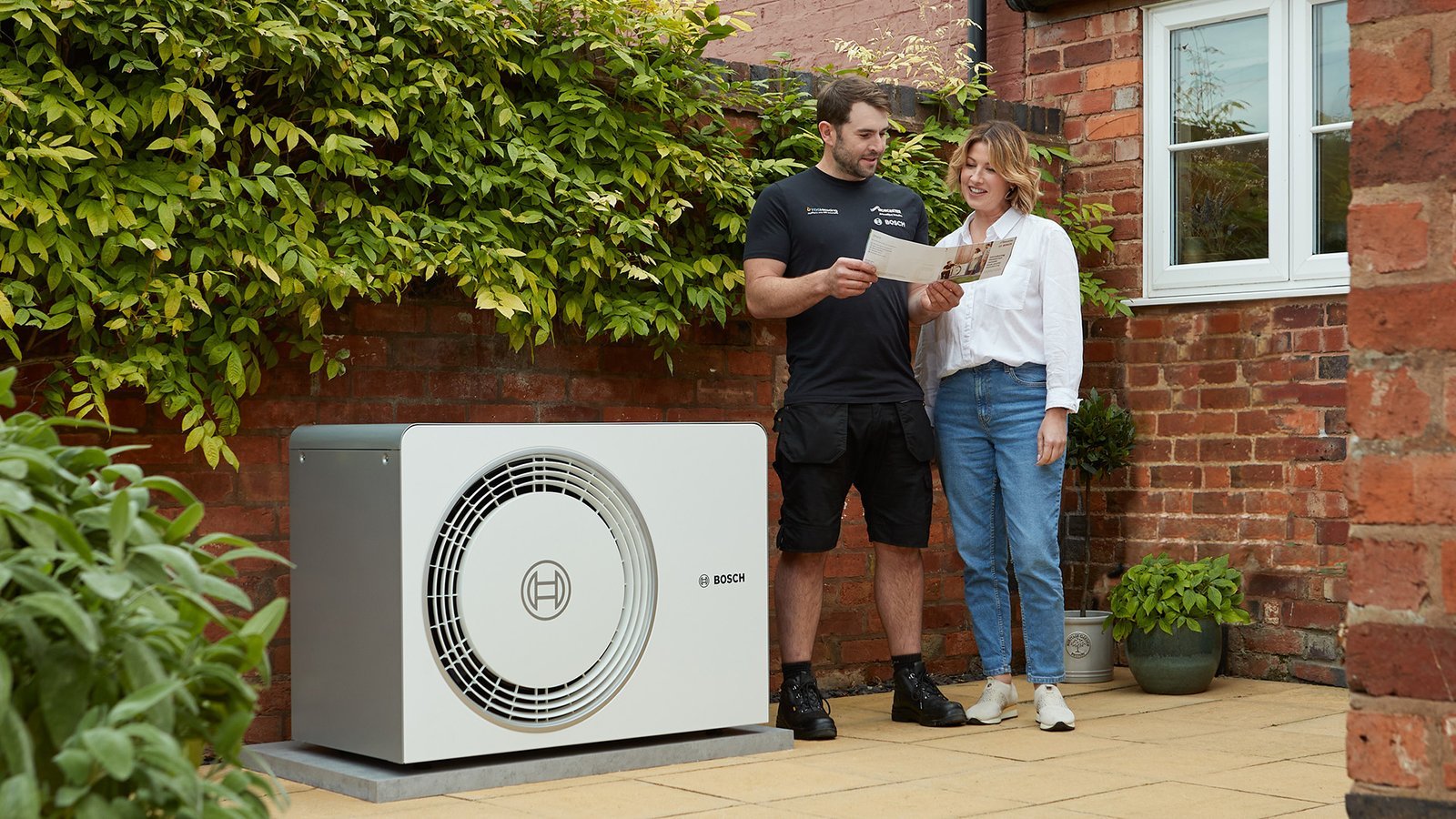
Heat pumps work by transferring heat from the air, ground, or water into your home, rather than generating heat from burning fuel. This process is highly efficient because it uses ambient energy to heat your space, requiring less electricity than conventional systems.
Heat pumps utilize renewable sources like air or geothermal energy. Even in colder temperatures, they extract heat from the environment, making them a sustainable alternative to fossil fuel-based systems.
Due to their efficiency, heat pumps can produce 3-4 times more energy than they consume in electricity. This translates to lower running costs and a reduced carbon footprint, especially when powered by green energy sources like solar.
Heat pumps provide a steady and even distribution of temperature throughout your home. Unlike traditional heating systems that create bursts of heat, heat pumps maintain a constant comfort level, reducing hot and cold spots.
Heat pumps transfer heat rather than generate it, using 300-400% less electricity than traditional systems. Even in cold weather, they pull warmth from the air or ground to heat your home.
Powered by renewable energy sources, heat pumps help lower carbon emissions and work sustainably, reducing your environmental footprint.

£7500 government grant Now available!
Somerset Heat Pump & Solar installer
Air Source Heat Pumps
Heat pumps tend to have higher installation costs compared to conventional heating systems. Ground-source heat pumps, in particular, require significant excavation, which can be costly and impractical in certain properties.
While air-source heat pumps can extract heat even in cold weather, their efficiency drops off in freezing temperatures
Installing a heat pump system can be complex and requires specialised knowledge. Poor installation and design can affect performance, efficiency, and longevity, making it crucial to find experienced installers.
Both air-source and ground-source heat pumps need space. Air-source units require external space for the unit, which can be noisy. Ground-source units require significant land area for installation, which may not be available in smaller properties.

Somerset Heat Pump & Solar Guide
Getting Started with Your Air Source Heat Pump: What to Think About
A monobloc system is a simple setup with just one outdoor unit. This unit connects to your heating system with pipes and uses a hot water cylinder inside your home, usually in a basement or utility room. It’s a more compact and affordable option, taking up less space and requiring less work to install. However, since all heat transfer happens outside, it’s slightly less efficient than a two-unit system.
A split system has both an indoor and outdoor unit. With the heat transfer happening indoors, it’s more efficient and minimizes heat loss. While it takes up more indoor space and has higher installation costs, its efficiency can save you money in the long run.
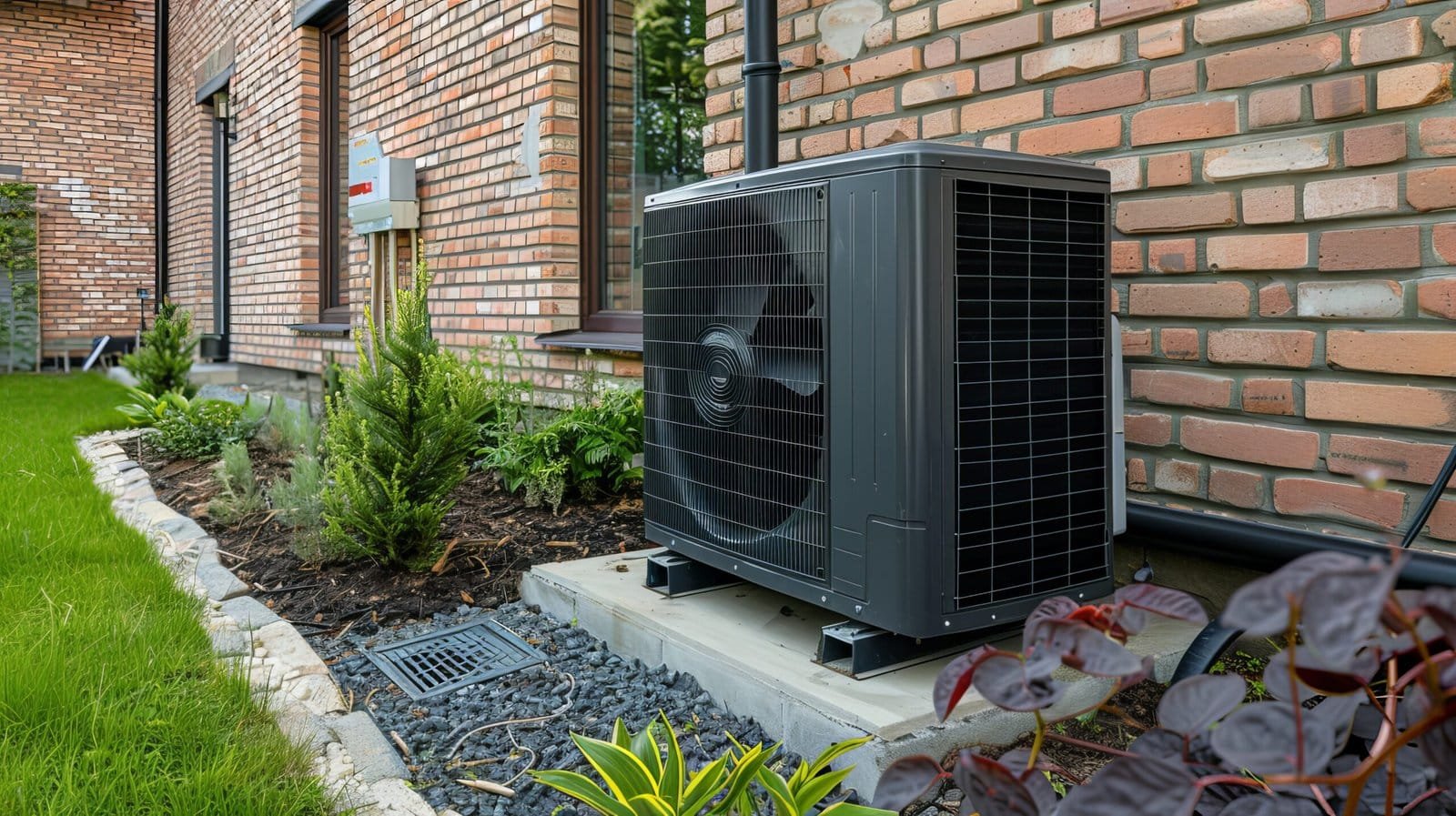
Your outdoor unit should be placed at least 3 metres away from your neighbours to minimize noise. It’s a good idea to avoid putting it directly under a bedroom window, and make sure there’s enough room around it for proper air flow.
Indoors, the unit usually goes in the utility room and needs about 1 square metre of space. In apartments, the outdoor unit will need about 2 square metres. Monobloc systems may require additional space considerations due to distance regulations.
The efficiency of your heat pump depends on the Seasonal Coefficient of Performance (SCOP), which takes your local climate into account. A heat pump’s Coefficient of Performance (COP) shows how much heat it produces compared to the electricity it uses.
For example, a COP of 4 means it produces four times as much heat as the energy it consumes. The higher the SCOP, the more efficient the system will be in your area.
Great question! Whether you need a hot water tank with your air source heat pump (ASHP) really depends on your specific setup and hot water needs.
Many ASHP systems work best with a hot water tank, allowing you to enjoy a steady supply of hot water for showers, washing, and other daily activities. This way, you can ensure that you always have enough hot water on hand when you need it!
However, there are some systems that can provide hot water directly without needing a separate tank, but these are less common. It’s a good idea to consider how much hot water your household uses to determine the best option for you.
Outdoor Unit:
Your outdoor unit will need about 1 to 2 meters of space around it for proper airflow and easy maintenance. It’s best to keep it about 3 meters away from walls or windows to help reduce noise and ensure it runs efficiently.
Indoor Unit:
If your system includes an indoor unit, it usually requires around 1 square meter of space, which could fit nicely in a utility room or basement.
If you decide to go with a hot water tank, you’ll need a bit more space—typically around 1 squared meter for the tank.
What is the Boiler Upgrade Scheme (BUS) ?
To help the UK reach its net zero goals, the government is encouraging homeowners to switch from fossil fuel boilers to more energy-efficient options like heat pumps.
The Boiler Upgrade Scheme (BUS) provides financial support to make installing low-carbon heating solutions more affordable. Since heat pumps are more expensive and take longer to install than gas boilers, the BUS helps reduce upfront costs for homeowners in England and Wales.
This scheme is available until 2028 with an additional £1.5 billion budget as part of a larger £4 billion plan to cut emissions (September 2024).
Additionally, 0% VAT is offered on the installation of energy-saving materials, including heat pumps, until March 2027.
How Can It Help with Heat Pumps?
As of September 2024, the BUS grant continues to support heat pump installations:
- £7,500 towards an air source heat pump.
This funding helps make switching to greener heating systems more affordable.
Somerset Heat Pump & Solar Guide
- Homeowners and small business owners in England and Wales.
- Your property needs an up-to-date Energy Performance Certificate (EPC) with no outstanding insulation recommendations.
- Check if you are eligible here
- Work with a Certified Installer: Your installer will apply for the grant on your behalf, so you don’t have to handle the paperwork.
- Receive a Discount: The grant is deducted from the installation cost, £7,500 off the price of your heat pump system!
Switching to a heat pump in 2024 is easier and more cost-effective than ever, thanks to the Boiler Upgrade Scheme. It’s a great way to reduce your carbon footprint while keeping your home energy-efficient.
The most common way people use to qualify for the BUS is using their properties Energy Performance Certificate (EPC). In order for an EPC to be eligible for the grant, it must show no recommendations for loft or cavity wall insulation.
It is worth noting that as this is the Boiler Upgrade Scheme, the EPC should show that the current heating is provided by a boiler, this also could be electric heating but it cannot be heated by a heat pump.
This route is open to both domestic home owners, landlords and commercial property owners.
case studies
Our Recent Somerset Heat Pump Installations
Somerset Heat Pump & Solar working with the UK's most trusted renewable manufacturers





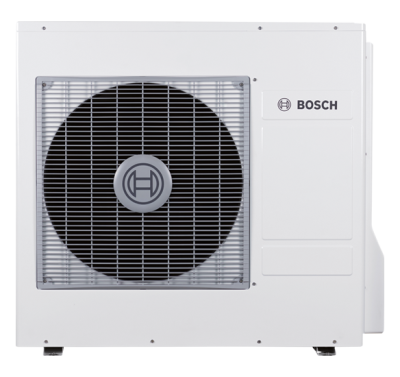
Compress 3400i AWS
Our 3400i AWS is available in 4, 6, 8 and 10kW outputs. Our quiet, space-saving outdoor units are suitable for renovation (building dependent) and new build projects providing a solution for maximising garden space.
£2000
Inc controls & system protection
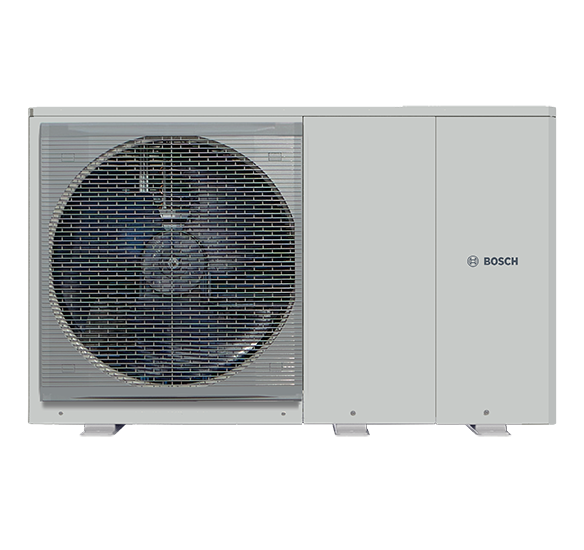
Compress 2000 AWF
CS2000 AWF is an all-in-one full monobloc heat pump solution, built to speed up and simplify installation. With a space-saving footprint, it’s perfect for smaller outdoor spaces at just 2m2, suitable for renovations and new builds alike.
£2370
Inc controls & system protection
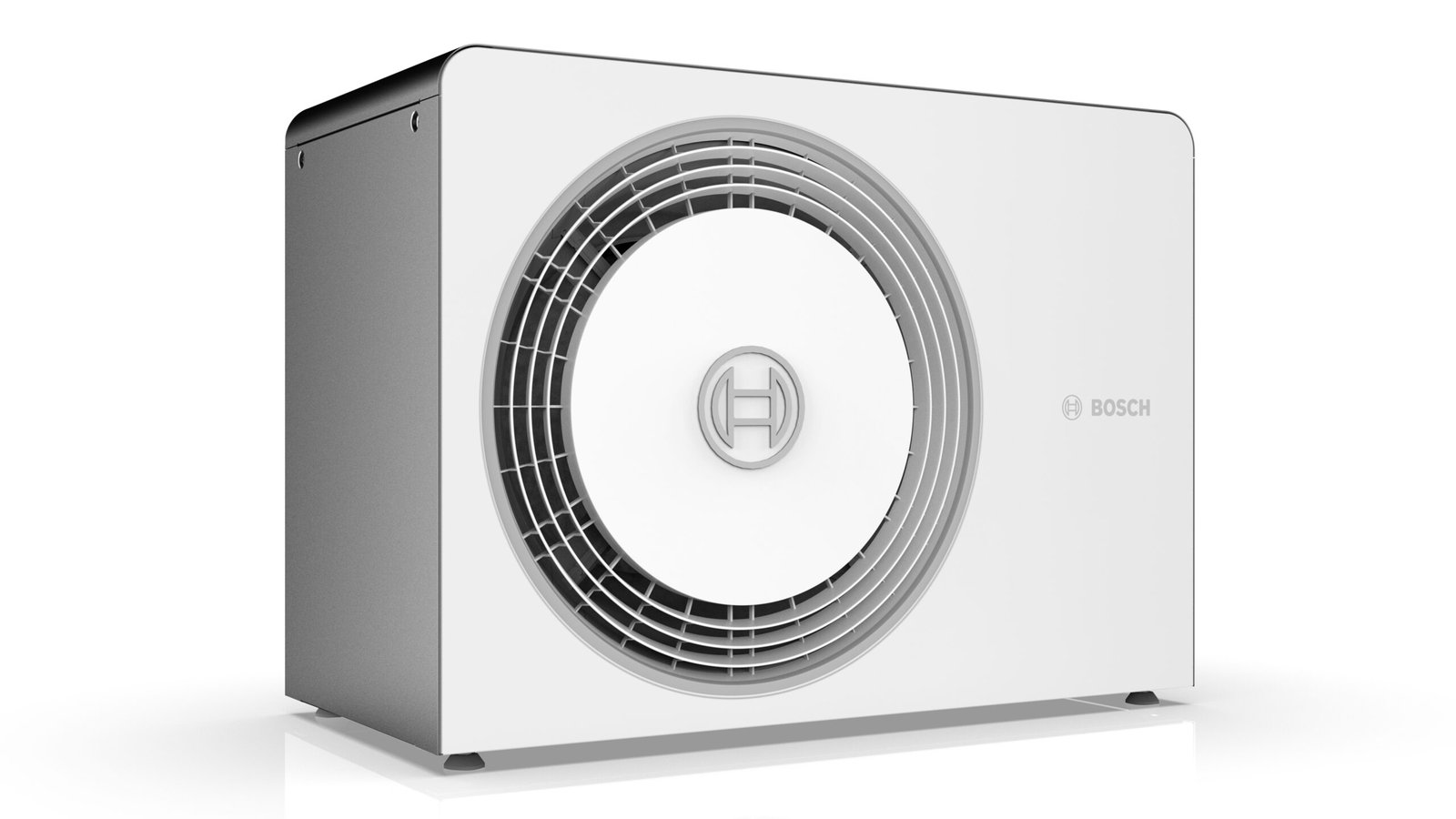
Compress 5800i AW
Designed for UK homes, the brand new CS5800i range is designed for new build and renovation projects alike – making it easier than ever to bring electrified home heating to your customers.
£2560
Inc controls & system protection
Why Choose us
A heat pump range for every Somerset home & business!
If you prefer forms just fill in the details below and we will get back to you on the next working day.
Get in touch
Somerset Heat Pump & Solar
in partnership with Arlow Plumbing & Heating
Office Phone : 01278 310120
Please use the form or existing customers can respond to our previous email
Somerset Heat Pump & Solar
Unit 2, Kings Castle Business Park, Boards Rd, Bridgwater TA6 4AG